Buy zeszytyodnowy.eu ?
We are moving the project
zeszytyodnowy.eu .
Are you interested in purchasing the domain
zeszytyodnowy.eu ?
domain@kv-gmbh.de · 0541-91531010
Buy zeszytyodnowy.eu ?
From when does juniper bear berries?
Juniper typically starts to bear berries when the plant reaches 3-6 years of age. However, the exact timing can vary depending on the species of juniper and growing conditions. Once the juniper plant is mature enough, it will produce berries annually, usually in the late summer or fall. The berries will continue to ripen and mature over the winter months, providing a food source for birds and other wildlife. **
Where can one buy fresh juniper berries?
Fresh juniper berries can be purchased at specialty grocery stores, farmers' markets, or online from retailers that specialize in herbs and spices. Some health food stores may also carry fresh juniper berries. Additionally, if you have access to a juniper tree, you can harvest your own fresh juniper berries. **

Similar search terms for Plameca-Juniper-Berries-100
Top-Angebote
Products related to Plameca-Juniper-Berries-100:
-
Plameca Green Cardamom 100 gr 100 grNutrition and Supplements Natural Extracts Plameca Green Cardamom 100 gr 100 gr Plameca has many components to improve human health. It has healing properties. Plameca Green Cardamom Presentation: 100gr It can be taken in infusions10,82 £*Shipping: 3,99 £Secure redirect to the provider
-
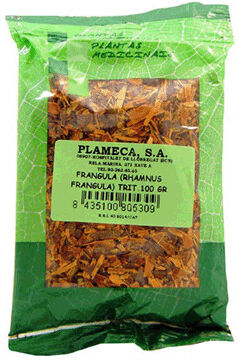
Plameca Crushed Frangula 100 grNutrition and Supplements Natural Extracts Plameca Crushed Frangula 100 gr Frangula is a mild laxative that does not excessively irritate the intestine, thus avoiding cramps and liquid stools. It also has choleretic properties, that is, for a good functioning of the liver. Plameca has many components to improve human health. It has healing properties. Plameca Crushed Frangula Presentation: 50 GR It can be taken in infusions2,10 £*Shipping: 3,99 £Secure redirect to the provider
-
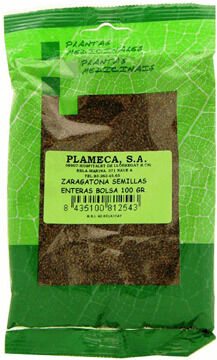
Plameca Zaragatona Seeds 100 grNutrition and Supplements Natural Extracts Plameca Zaragatona Seeds 100 gr Plameca has many components to improve human health. It has healing properties. Zaragatona Plameca Seeds Presentation: 100gr It can be taken in infusions1,37 £*Shipping: 3,99 £Secure redirect to the provider


-
Is there a meaningful alternative to juniper berries in sauerkraut?
Yes, there are several alternatives to juniper berries in sauerkraut. Some common substitutes include caraway seeds, dill seeds, fennel seeds, and coriander seeds. These spices can provide a similar earthy and slightly bitter flavor to sauerkraut. Experimenting with different spices can help you find the perfect flavor profile for your sauerkraut. **
-
Is there juniper kindling?
Yes, juniper kindling is available. Juniper wood is known for its aromatic scent and is often used for kindling because it ignites easily and burns hot. It is a popular choice for starting fires in fireplaces, wood stoves, and campfires. Juniper kindling can be found at many outdoor supply stores or can be gathered from juniper trees in certain regions. **
-
What is juniper made of?
Juniper is made of the berries from the juniper tree, specifically the female juniper plant. These berries are small, round, and bluish-black in color. They are known for their strong, piney flavor and are commonly used as a spice in cooking and for making gin. Juniper berries contain essential oils that give them their distinctive taste and aroma. **
-
Are juniper roots deep or shallow?
Juniper roots are typically shallow, spreading out horizontally near the surface of the soil. They are known for their extensive root systems that can cover a wide area to help the plant access water and nutrients. This shallow root system also makes junipers well-adapted to dry and rocky soils, as they can quickly absorb moisture from the surface. **

Where does the name Juniper come from?
The name Juniper comes from the Latin word "juniperus," which means "youth-producing" or "evergreen." Juniper is a type of coniferous tree or shrub that is known for its aromatic berries and needle-like leaves. The name Juniper has been used for centuries and is often associated with qualities such as protection, purification, and healing. **
Are privet berries poisonous?
Yes, privet berries are considered toxic if ingested. They contain compounds that can cause symptoms such as nausea, vomiting, diarrhea, and stomach pain. It is important to avoid consuming privet berries and to keep them out of reach of children and pets. If someone ingests privet berries and experiences symptoms, they should seek medical attention immediately. **
Top-Angebote
Products related to Plameca-Juniper-Berries-100:
-
Plameca Juniper Berries 100 grNutrition and Supplements Natural Extracts Plameca Juniper Berries 100 gr All Plameca plants are selected from the best origins, followed by a strict internal quality control prior to marketing. To preserve its natural properties, we use a packaging process in ambient rooms and controlled conditions, respectful of the environment. Packaged in a protective atmosphere. Recommended for infusions: Pour the contents of a tablespoon into boiling water and remove from heat. Cover the container and let stand for 8 to 10 minutes. Roots, bark or seeds, simmer for 2 to 4 minutes. Strain and sweeten to taste.3,61 £*Shipping: 3,99 £Secure redirect to the provider
-
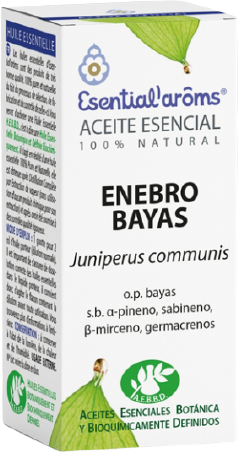
Esential'arôms Juniper Berries 5 mlHealth and Beauty First aid kit Esential'arôms Juniper Berries 5 ml Essence of Juniper Berries of Esentia Aroms favors the elimination of fluid retention, acts as a draining and detoxifying agent, and is also a tissue purifier, disinfectant, diuretic, lymphatic decongestant, antirheumatic, analgesic and promotes weight loss. It is an ideal regulator for oily skin, it helps combat seborrheic problems and skin problems in general.7,38 £*Shipping: 3,99 £Secure redirect to the provider
-
Plameca Green Cardamom 100 gr 100 grNutrition and Supplements Natural Extracts Plameca Green Cardamom 100 gr 100 gr Plameca has many components to improve human health. It has healing properties. Plameca Green Cardamom Presentation: 100gr It can be taken in infusions10,82 £*Shipping: 3,99 £Secure redirect to the provider
-
Plameca Crushed Frangula 100 grNutrition and Supplements Natural Extracts Plameca Crushed Frangula 100 gr Frangula is a mild laxative that does not excessively irritate the intestine, thus avoiding cramps and liquid stools. It also has choleretic properties, that is, for a good functioning of the liver. Plameca has many components to improve human health. It has healing properties. Plameca Crushed Frangula Presentation: 50 GR It can be taken in infusions2,10 £*Shipping: 3,99 £Secure redirect to the provider
-
From when does juniper bear berries?
Juniper typically starts to bear berries when the plant reaches 3-6 years of age. However, the exact timing can vary depending on the species of juniper and growing conditions. Once the juniper plant is mature enough, it will produce berries annually, usually in the late summer or fall. The berries will continue to ripen and mature over the winter months, providing a food source for birds and other wildlife. **
-
Where can one buy fresh juniper berries?
Fresh juniper berries can be purchased at specialty grocery stores, farmers' markets, or online from retailers that specialize in herbs and spices. Some health food stores may also carry fresh juniper berries. Additionally, if you have access to a juniper tree, you can harvest your own fresh juniper berries. **
-
Is there a meaningful alternative to juniper berries in sauerkraut?
Yes, there are several alternatives to juniper berries in sauerkraut. Some common substitutes include caraway seeds, dill seeds, fennel seeds, and coriander seeds. These spices can provide a similar earthy and slightly bitter flavor to sauerkraut. Experimenting with different spices can help you find the perfect flavor profile for your sauerkraut. **
-
Is there juniper kindling?
Yes, juniper kindling is available. Juniper wood is known for its aromatic scent and is often used for kindling because it ignites easily and burns hot. It is a popular choice for starting fires in fireplaces, wood stoves, and campfires. Juniper kindling can be found at many outdoor supply stores or can be gathered from juniper trees in certain regions. **
Similar search terms for Plameca-Juniper-Berries-100
-
Plameca Zaragatona Seeds 100 grNutrition and Supplements Natural Extracts Plameca Zaragatona Seeds 100 gr Plameca has many components to improve human health. It has healing properties. Zaragatona Plameca Seeds Presentation: 100gr It can be taken in infusions1,37 £*Shipping: 3,99 £Secure redirect to the provider
-
Plameca Crushed Root Gentian 100 grNutrition and Supplements Natural Extracts Plameca Crushed Root Gentian 100 gr Plameca has many components to improve human health. It has healing properties. Plameca Shredded Root Gentian 1 kg container It can be taken in infusions5,65 £*Shipping: 3,99 £Secure redirect to the provider
-
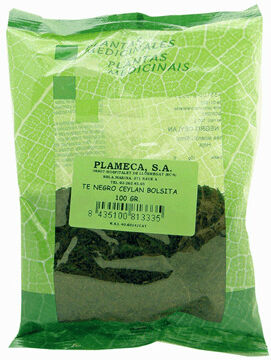
Plameca Ceylan Black Tea 100 grNutrition and Supplements Infusions and teas Plameca Ceylan Black Tea 100 gr 1 tablespoon of coffee, in boiling water, let stand 3-5 minutes. It helps the relaxation of blood vessels, due to its flavonoid content. Helps the non-oxidation of "good" cholesterol. Protective properties of the Cardiovascular system. Prevention of dental cavities.2,30 £*Shipping: 3,99 £Secure redirect to the provider
-
What is juniper made of?
Juniper is made of the berries from the juniper tree, specifically the female juniper plant. These berries are small, round, and bluish-black in color. They are known for their strong, piney flavor and are commonly used as a spice in cooking and for making gin. Juniper berries contain essential oils that give them their distinctive taste and aroma. **
-
Are juniper roots deep or shallow?
Juniper roots are typically shallow, spreading out horizontally near the surface of the soil. They are known for their extensive root systems that can cover a wide area to help the plant access water and nutrients. This shallow root system also makes junipers well-adapted to dry and rocky soils, as they can quickly absorb moisture from the surface. **
-
Where does the name Juniper come from?
The name Juniper comes from the Latin word "juniperus," which means "youth-producing" or "evergreen." Juniper is a type of coniferous tree or shrub that is known for its aromatic berries and needle-like leaves. The name Juniper has been used for centuries and is often associated with qualities such as protection, purification, and healing. **
-
Are privet berries poisonous?
Yes, privet berries are considered toxic if ingested. They contain compounds that can cause symptoms such as nausea, vomiting, diarrhea, and stomach pain. It is important to avoid consuming privet berries and to keep them out of reach of children and pets. If someone ingests privet berries and experiences symptoms, they should seek medical attention immediately. **
* All prices are inclusive of VAT and, if applicable, plus shipping costs. The offer information is based on the details provided by the respective shop and is updated through automated processes. Real-time updates do not occur, so deviations can occur in individual cases. ** Note: Parts of this content were created by AI.