Buy zeszytyodnowy.eu ?
We are moving the project
zeszytyodnowy.eu .
Are you interested in purchasing the domain
zeszytyodnowy.eu ?
domain@kv-gmbh.de · 0541-91531010
Buy zeszytyodnowy.eu ?
What is the endosymbiont theory?
The endosymbiont theory proposes that eukaryotic cells, which make up plants, animals, fungi, and protists, evolved from a symbiotic relationship between different types of prokaryotic cells. Specifically, it suggests that mitochondria and chloroplasts within eukaryotic cells were once free-living bacteria that were engulfed by a larger host cell but instead of being digested, they formed a mutually beneficial relationship. This theory is supported by evidence such as the similarities between the DNA of mitochondria and chloroplasts with that of bacteria, as well as their ability to replicate independently within the cell. **
What evidence supports the endosymbiont theory?
Several pieces of evidence support the endosymbiont theory: 1. Mitochondria and chloroplasts have their own DNA, which is circular like bacterial DNA. This suggests that they were once free-living bacteria that were engulfed by a host cell. 2. Mitochondria and chloroplasts have their own ribosomes, which are similar to bacterial ribosomes. This indicates that they are capable of protein synthesis independently of the host cell. 3. Mitochondria and chloroplasts reproduce independently of the host cell through a process similar to bacterial binary fission. 4. The inner membranes of mitochondria and chloroplasts contain enzymes and transport systems that are similar to those found in bacteria. 5. Some protists have structures called hydrogenosomes and mitosomes, which are thought to be degenerate forms of mitochondria. This supports the idea that mitochondria evolved from free-living bacteria. Overall, these pieces of evidence provide strong support for the endosymbiont theory, which suggests that mitochondria and chloroplasts were once free-living bacteria that were engulfed by a host cell and eventually evolved into organelles. **

Similar search terms for Endosymbiont
Top-Angebote
Products related to Endosymbiont:
-
Inspire Curations Premium 4 Digit Combination Laptop Security Lock Anti Theft Cable Chain For Notebooks & PCs Premium 4 Digit Combination Laptop Security Lock Anti Theft Cable Chain For Notebooks & PCsNever worry about your laptop disappearing when you step away. The Premium 4digit combination laptop security lock keeps your device physically tethered and protected from opportunistic thieves. Designed for busy professionals, students, and onthego...52,95 $*Shipping: 0,00 $Secure redirect to the provider
-
Corsair Value Select SODIMM 16GB (2x8GB) DDR4 2133MHz C15 Memory for Laptop/Notebooks - Black, NewOverview Upgrade your laptop’s everyday performance with the Corsair ValueSelect SODIMM 16GB DDR4 2133MHz Memory Kit. Designed for compatible laptops and notebooks, this 2 x 8GB RAM upgrade helps improve multitasking, app responsiveness and overall system smoothness. Whether you are browsing with multiple tabs, working on documents, streaming, studying or running daily productivity software, this Corsair memory kit gives your system more breathing room for reliable everyday use. Key Features & Benefits Boost Multitasking with 16GB RAM – Move from basic memory capacity to a more comfortable 16GB setup, helping your laptop handle multiple apps, browser tabs and background tasks more smoothly. Dual-Module Kit for Balanced Performance – The 2 x 8GB configuration is ideal for compatible laptops with two memory slots, helping support dual-channel memory performance where the system allows. Reliable DDR4 Laptop Memory – DDR4 SO-DIMM technology is built for modern notebook systems, offering dependable performance and lower power use than older DDR3 memory. 2133MHz Speed for Everyday Computing – PC4-17000 / 2133MHz performance supports common DDR4 laptop platforms, making it a practical upgrade for work, study and home use. Low 1.2V Operating Voltage – Efficient 1.2V operation helps support laptop battery efficiency and stable everyday use. C15 Latency for Responsive System Behaviour – 15-15-15-36 timings help provide reliable responsiveness for everyday tasks and compatible systems. Designed for Laptop and Notebook PCs – The compact 260-pin SO-DIMM format is made for compatible laptops, notebooks and selected small-form-factor systems. Corsair ValueSelect Reliability – Built from selected components and tested for stable operation, giving customers confidence when upgrading or replacing laptop memory. Ideal for Speeding Up Older DDR4 Laptops – A strong choice for systems that feel slow with limited RAM, especially when using Windows, office apps, browsers and video calling tools. Simple Upgrade for Compatible Systems – Install into compatible DDR4 SO-DIMM slots to improve usable memory without replacing the entire laptop. Why Choose This Product The Corsair ValueSelect 16GB DDR4 SO-DIMM kit is a practical upgrade for customers who want their compatible laptop to feel smoother, faster and more capable during everyday use. More memory can make a noticeable difference when switching between documents, browser tabs, video calls, emails and productivity apps. With Corsair’s reputation for dependable components and a balanced 2 x 8GB kit format, this is a smart choice for laptop repairs, upgrades and performance refreshes. Specifications Table Specification Details Brand Corsair Product Type Laptop / Notebook Memory Series ValueSelect Model / SKU CMSO16GX4M2A2133C15 Capacity 16GB total Module Configuration 2 x 8GB Memory Type DDR4 Form Factor SO-DIMM Pin Count 260-pin Speed Rating PC4-17000 Tested Speed 2133MHz SPD Speed 2133MHz CAS Latency C15 Timings...119,00 £*Shipping: 0,00 £Secure redirect to the provider
-
Blueprint Squishmallows Super Stationary Set for Kids, Includes Colorful Notebooks, Fun Pens, Pencils, and StickersUnleash your creativity with the Squishmallows Super Stationary Set, a delightful collection featuring your favorite plush characters from the popular franchise. This charming boxed edition includes vibrant stationery essentials designed for fans and collectors alike, making it perfect for school, home, or office use. Each set contains colorful notebooks, fun pens and pencils adorned with adorable Squishmallows designs, and stickers to personalize your belongings. This collectible stationery set is a great addition for any Squishmallows enthusiast, offering both functionality and cuteness in one package.8,09 £*Shipping: 3,95 £Secure redirect to the provider
-
Simon & Schuster Dork Diaries 2 Books Collection Set by Rachel Renee Russell (Dork Diaries OMG: All About Me Diary & Dork Diaries 3 half : How to Dork Your Diary)Titles In This Set: Dork Diaries OMG: All About Me Diary Dork Diaries 3 ½ : How to Dork Your Diary Description: Dork Diaries OMG: All About Me Diary Have YOU ever wanted your very own Dork Diary?As Nikki Maxwell knows, keeping a diary is a great way to get to know the most important person in your life: YOU! This special guided journal features questions for every day of the year.If you could swap places with anyone for a day, who would it be and why?What song could you listen to 100 times? What TV show are you totally obsessed with right now and why?What's the most stylish outfit in your wardrobe?Put your personal spin on these questions and many more - and of course, Nikki Maxwell is going to chime in with her answers and artwork too! This is a must have title for Dork Diaries fans! Dork Diaries 3 ½ : How to Dork Your Diary Nikki Maxwell has been writing in a diary since the start of the school year, and she usually takes it everywhere she goes, so she can't believe it when one morning she can't find her diary! The hunt is on, and while she looks, pursuing various theories about where it could be, Nikki can't help putting together a list of important diary-keeping lessons to remember in case of missing diary emergencies like this one. Overflowing with Nikki's trademark humour and art this special DIY edition of DORK DIARIES not only features a brand new story featuring all of your favourite characters from the series, but also includes tips from Nikki about keeping your own diary and space for readers to write and draw their own entries.9,99 £*Shipping: 2,99 £Secure redirect to the provider



-
Which data support the endosymbiont theory?
The endosymbiont theory is supported by several lines of evidence, including the similarities between mitochondria and chloroplasts and certain types of bacteria, the presence of their own DNA and ribosomes, and their ability to replicate independently within the host cell. Additionally, the phylogenetic analysis of mitochondrial and chloroplast DNA has shown that they are more closely related to certain groups of bacteria than to eukaryotic cells. Finally, the presence of double membranes in mitochondria and chloroplasts is consistent with the theory that they were once free-living bacteria that were engulfed by a host cell. **
-
What is meant by the endosymbiont theory?
The endosymbiont theory proposes that eukaryotic cells evolved from a symbiotic relationship between different types of prokaryotic cells. According to this theory, mitochondria and chloroplasts, which are organelles found in eukaryotic cells, were once free-living bacteria that were engulfed by a larger host cell. Over time, these bacteria formed a mutually beneficial relationship with the host cell, eventually becoming integrated into the cell and evolving into specialized organelles. This theory is supported by evidence such as the similarities between the DNA of mitochondria and chloroplasts and that of bacteria. **
-
How can the endosymbiont theory be proven?
The endosymbiont theory can be proven through a combination of evidence from molecular biology, genetics, and comparative genomics. One way to prove the theory is by comparing the genetic material of organelles like mitochondria and chloroplasts to that of free-living bacteria. If the genetic sequences are similar, it would support the idea that these organelles were once independent bacteria that were engulfed by a host cell. Additionally, studying the structure and function of these organelles can provide further evidence for their bacterial origins. Finally, experimental studies, such as observing the behavior of organelles in different environments, can also help to support the endosymbiont theory. **
-
Why is the endosymbiont theory spoken of?
The endosymbiont theory is spoken of because it provides a compelling explanation for the origin of eukaryotic cells. This theory suggests that eukaryotic cells evolved from a symbiotic relationship between different types of prokaryotic cells, with one cell engulfing another and forming a mutually beneficial partnership. This theory is important because it helps to explain the presence of organelles such as mitochondria and chloroplasts within eukaryotic cells, as well as the similarities between these organelles and certain types of bacteria. Overall, the endosymbiont theory has had a significant impact on our understanding of the evolution of complex life forms. **

How can the endosymbiont theory be explained simply?
The endosymbiont theory proposes that eukaryotic cells evolved from a symbiotic relationship between different types of prokaryotic cells. According to this theory, a larger host cell engulfed a smaller prokaryotic cell, forming a symbiotic relationship where the smaller cell provided energy through processes like photosynthesis or respiration. Over time, the smaller cell evolved into organelles like mitochondria and chloroplasts, which are now essential components of eukaryotic cells. This theory is supported by evidence such as the similarities between organelles and prokaryotic cells, as well as the presence of DNA within organelles. **
What does the endosymbiont theory state in biology?
The endosymbiont theory in biology states that eukaryotic cells, which make up plants, animals, fungi, and protists, evolved from a symbiotic relationship between different types of prokaryotic cells. Specifically, it proposes that mitochondria and chloroplasts, which are organelles found in eukaryotic cells, were once free-living bacteria that were engulfed by a larger host cell. Over time, these bacteria formed a mutually beneficial relationship with the host cell, eventually becoming permanent residents and evolving into the organelles we see today. This theory is supported by evidence such as the similarities between the DNA of mitochondria and chloroplasts and that of free-living bacteria, as well as their ability to replicate independently within the cell. **
Top-Angebote
Products related to Endosymbiont:
-
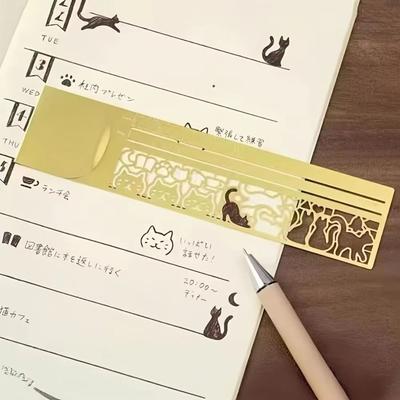
Inspired Finds Cat Pattern Multifunctional Bookmark Ruler For Planners Cat Pattern Multifunctional Bookmark Ruler For PlannersAdd a touch of personality to your planning and notetaking with this cat pattern multifunctional bookmark, great for cat lovers and stationery fans alike. Designed to serve as a doublesided bookmark and ruler, it brings both functionality and charm...34,99 $*Shipping: 0,00 $Secure redirect to the provider
-
Uplift Picks Waterproof Bird Sticker Set For Scrapbooking Journals And Gifts 500pcs Waterproof Bird Sticker Set For Scrapbooking Journals And Gifts 500pcsBrighten everyday moments with a delightful collection of bird stickers designed to spark creativity wherever you use them. This 500piece set offers a wide variety of charming designs that instantly elevate journals, laptops, and gift packaging....47,00 $*Shipping: 0,00 $Secure redirect to the provider
-
Inspire Curations Premium 4 Digit Combination Laptop Security Lock Anti Theft Cable Chain For Notebooks & PCs Premium 4 Digit Combination Laptop Security Lock Anti Theft Cable Chain For Notebooks & PCsNever worry about your laptop disappearing when you step away. The Premium 4digit combination laptop security lock keeps your device physically tethered and protected from opportunistic thieves. Designed for busy professionals, students, and onthego...52,95 $*Shipping: 0,00 $Secure redirect to the provider
-
Corsair Value Select SODIMM 16GB (2x8GB) DDR4 2133MHz C15 Memory for Laptop/Notebooks - Black, NewOverview Upgrade your laptop’s everyday performance with the Corsair ValueSelect SODIMM 16GB DDR4 2133MHz Memory Kit. Designed for compatible laptops and notebooks, this 2 x 8GB RAM upgrade helps improve multitasking, app responsiveness and overall system smoothness. Whether you are browsing with multiple tabs, working on documents, streaming, studying or running daily productivity software, this Corsair memory kit gives your system more breathing room for reliable everyday use. Key Features & Benefits Boost Multitasking with 16GB RAM – Move from basic memory capacity to a more comfortable 16GB setup, helping your laptop handle multiple apps, browser tabs and background tasks more smoothly. Dual-Module Kit for Balanced Performance – The 2 x 8GB configuration is ideal for compatible laptops with two memory slots, helping support dual-channel memory performance where the system allows. Reliable DDR4 Laptop Memory – DDR4 SO-DIMM technology is built for modern notebook systems, offering dependable performance and lower power use than older DDR3 memory. 2133MHz Speed for Everyday Computing – PC4-17000 / 2133MHz performance supports common DDR4 laptop platforms, making it a practical upgrade for work, study and home use. Low 1.2V Operating Voltage – Efficient 1.2V operation helps support laptop battery efficiency and stable everyday use. C15 Latency for Responsive System Behaviour – 15-15-15-36 timings help provide reliable responsiveness for everyday tasks and compatible systems. Designed for Laptop and Notebook PCs – The compact 260-pin SO-DIMM format is made for compatible laptops, notebooks and selected small-form-factor systems. Corsair ValueSelect Reliability – Built from selected components and tested for stable operation, giving customers confidence when upgrading or replacing laptop memory. Ideal for Speeding Up Older DDR4 Laptops – A strong choice for systems that feel slow with limited RAM, especially when using Windows, office apps, browsers and video calling tools. Simple Upgrade for Compatible Systems – Install into compatible DDR4 SO-DIMM slots to improve usable memory without replacing the entire laptop. Why Choose This Product The Corsair ValueSelect 16GB DDR4 SO-DIMM kit is a practical upgrade for customers who want their compatible laptop to feel smoother, faster and more capable during everyday use. More memory can make a noticeable difference when switching between documents, browser tabs, video calls, emails and productivity apps. With Corsair’s reputation for dependable components and a balanced 2 x 8GB kit format, this is a smart choice for laptop repairs, upgrades and performance refreshes. Specifications Table Specification Details Brand Corsair Product Type Laptop / Notebook Memory Series ValueSelect Model / SKU CMSO16GX4M2A2133C15 Capacity 16GB total Module Configuration 2 x 8GB Memory Type DDR4 Form Factor SO-DIMM Pin Count 260-pin Speed Rating PC4-17000 Tested Speed 2133MHz SPD Speed 2133MHz CAS Latency C15 Timings...119,00 £*Shipping: 0,00 £Secure redirect to the provider
-
What is the endosymbiont theory?
The endosymbiont theory proposes that eukaryotic cells, which make up plants, animals, fungi, and protists, evolved from a symbiotic relationship between different types of prokaryotic cells. Specifically, it suggests that mitochondria and chloroplasts within eukaryotic cells were once free-living bacteria that were engulfed by a larger host cell but instead of being digested, they formed a mutually beneficial relationship. This theory is supported by evidence such as the similarities between the DNA of mitochondria and chloroplasts with that of bacteria, as well as their ability to replicate independently within the cell. **
-
What evidence supports the endosymbiont theory?
Several pieces of evidence support the endosymbiont theory: 1. Mitochondria and chloroplasts have their own DNA, which is circular like bacterial DNA. This suggests that they were once free-living bacteria that were engulfed by a host cell. 2. Mitochondria and chloroplasts have their own ribosomes, which are similar to bacterial ribosomes. This indicates that they are capable of protein synthesis independently of the host cell. 3. Mitochondria and chloroplasts reproduce independently of the host cell through a process similar to bacterial binary fission. 4. The inner membranes of mitochondria and chloroplasts contain enzymes and transport systems that are similar to those found in bacteria. 5. Some protists have structures called hydrogenosomes and mitosomes, which are thought to be degenerate forms of mitochondria. This supports the idea that mitochondria evolved from free-living bacteria. Overall, these pieces of evidence provide strong support for the endosymbiont theory, which suggests that mitochondria and chloroplasts were once free-living bacteria that were engulfed by a host cell and eventually evolved into organelles. **
-
Which data support the endosymbiont theory?
The endosymbiont theory is supported by several lines of evidence, including the similarities between mitochondria and chloroplasts and certain types of bacteria, the presence of their own DNA and ribosomes, and their ability to replicate independently within the host cell. Additionally, the phylogenetic analysis of mitochondrial and chloroplast DNA has shown that they are more closely related to certain groups of bacteria than to eukaryotic cells. Finally, the presence of double membranes in mitochondria and chloroplasts is consistent with the theory that they were once free-living bacteria that were engulfed by a host cell. **
-
What is meant by the endosymbiont theory?
The endosymbiont theory proposes that eukaryotic cells evolved from a symbiotic relationship between different types of prokaryotic cells. According to this theory, mitochondria and chloroplasts, which are organelles found in eukaryotic cells, were once free-living bacteria that were engulfed by a larger host cell. Over time, these bacteria formed a mutually beneficial relationship with the host cell, eventually becoming integrated into the cell and evolving into specialized organelles. This theory is supported by evidence such as the similarities between the DNA of mitochondria and chloroplasts and that of bacteria. **
Similar search terms for Endosymbiont
-
Blueprint Squishmallows Super Stationary Set for Kids, Includes Colorful Notebooks, Fun Pens, Pencils, and StickersUnleash your creativity with the Squishmallows Super Stationary Set, a delightful collection featuring your favorite plush characters from the popular franchise. This charming boxed edition includes vibrant stationery essentials designed for fans and collectors alike, making it perfect for school, home, or office use. Each set contains colorful notebooks, fun pens and pencils adorned with adorable Squishmallows designs, and stickers to personalize your belongings. This collectible stationery set is a great addition for any Squishmallows enthusiast, offering both functionality and cuteness in one package.8,09 £*Shipping: 3,95 £Secure redirect to the provider
-
Simon & Schuster Dork Diaries 2 Books Collection Set by Rachel Renee Russell (Dork Diaries OMG: All About Me Diary & Dork Diaries 3 half : How to Dork Your Diary)Titles In This Set: Dork Diaries OMG: All About Me Diary Dork Diaries 3 ½ : How to Dork Your Diary Description: Dork Diaries OMG: All About Me Diary Have YOU ever wanted your very own Dork Diary?As Nikki Maxwell knows, keeping a diary is a great way to get to know the most important person in your life: YOU! This special guided journal features questions for every day of the year.If you could swap places with anyone for a day, who would it be and why?What song could you listen to 100 times? What TV show are you totally obsessed with right now and why?What's the most stylish outfit in your wardrobe?Put your personal spin on these questions and many more - and of course, Nikki Maxwell is going to chime in with her answers and artwork too! This is a must have title for Dork Diaries fans! Dork Diaries 3 ½ : How to Dork Your Diary Nikki Maxwell has been writing in a diary since the start of the school year, and she usually takes it everywhere she goes, so she can't believe it when one morning she can't find her diary! The hunt is on, and while she looks, pursuing various theories about where it could be, Nikki can't help putting together a list of important diary-keeping lessons to remember in case of missing diary emergencies like this one. Overflowing with Nikki's trademark humour and art this special DIY edition of DORK DIARIES not only features a brand new story featuring all of your favourite characters from the series, but also includes tips from Nikki about keeping your own diary and space for readers to write and draw their own entries.9,99 £*Shipping: 2,99 £Secure redirect to the provider
-
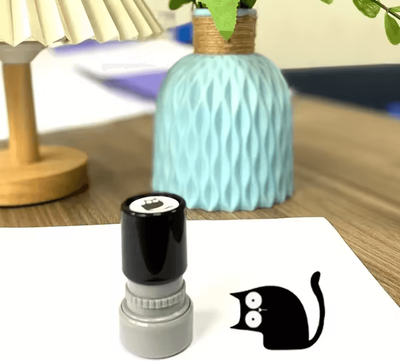
Inspire Curations Cute Black Cat Self Inking Stamp For Journals, Scrapbooks & DIY Crafts style4Add a touch of feline charm to every page with this adorable cat stamp. Featuring one of four playful black cat designs, this compact selfinking stamp creates crisp, detailed impressions that instantly brighten journals, planners, scrapbooks, and...43,00 $*Shipping: 0,00 $Secure redirect to the provider
-
Inspire Curations Cute Black Cat Self Inking Stamp For Journals, Scrapbooks & DIY Crafts style3Add a touch of feline charm to every page with this adorable cat stamp. Featuring one of four playful black cat designs, this compact selfinking stamp creates crisp, detailed impressions that instantly brighten journals, planners, scrapbooks, and...43,00 $*Shipping: 0,00 $Secure redirect to the provider
-
How can the endosymbiont theory be proven?
The endosymbiont theory can be proven through a combination of evidence from molecular biology, genetics, and comparative genomics. One way to prove the theory is by comparing the genetic material of organelles like mitochondria and chloroplasts to that of free-living bacteria. If the genetic sequences are similar, it would support the idea that these organelles were once independent bacteria that were engulfed by a host cell. Additionally, studying the structure and function of these organelles can provide further evidence for their bacterial origins. Finally, experimental studies, such as observing the behavior of organelles in different environments, can also help to support the endosymbiont theory. **
-
Why is the endosymbiont theory spoken of?
The endosymbiont theory is spoken of because it provides a compelling explanation for the origin of eukaryotic cells. This theory suggests that eukaryotic cells evolved from a symbiotic relationship between different types of prokaryotic cells, with one cell engulfing another and forming a mutually beneficial partnership. This theory is important because it helps to explain the presence of organelles such as mitochondria and chloroplasts within eukaryotic cells, as well as the similarities between these organelles and certain types of bacteria. Overall, the endosymbiont theory has had a significant impact on our understanding of the evolution of complex life forms. **
-
How can the endosymbiont theory be explained simply?
The endosymbiont theory proposes that eukaryotic cells evolved from a symbiotic relationship between different types of prokaryotic cells. According to this theory, a larger host cell engulfed a smaller prokaryotic cell, forming a symbiotic relationship where the smaller cell provided energy through processes like photosynthesis or respiration. Over time, the smaller cell evolved into organelles like mitochondria and chloroplasts, which are now essential components of eukaryotic cells. This theory is supported by evidence such as the similarities between organelles and prokaryotic cells, as well as the presence of DNA within organelles. **
-
What does the endosymbiont theory state in biology?
The endosymbiont theory in biology states that eukaryotic cells, which make up plants, animals, fungi, and protists, evolved from a symbiotic relationship between different types of prokaryotic cells. Specifically, it proposes that mitochondria and chloroplasts, which are organelles found in eukaryotic cells, were once free-living bacteria that were engulfed by a larger host cell. Over time, these bacteria formed a mutually beneficial relationship with the host cell, eventually becoming permanent residents and evolving into the organelles we see today. This theory is supported by evidence such as the similarities between the DNA of mitochondria and chloroplasts and that of free-living bacteria, as well as their ability to replicate independently within the cell. **
* All prices are inclusive of VAT and, if applicable, plus shipping costs. The offer information is based on the details provided by the respective shop and is updated through automated processes. Real-time updates do not occur, so deviations can occur in individual cases. ** Note: Parts of this content were created by AI.